I used to actually enjoy shopping. Not buying things. Shopping. There was a difference. You could walk into a store with absolutely no intention of buying anything and somehow spend an hour wandering around. You’d discover something you didn’t know existed, pick things up, compare them, smell them, try them on, and occasionally convince yourself that something marked 40% off was basically free. Stores were entertainment. Now, half the time, walking into a retail store feels like volunteering for an inconvenience. And retailers seem genuinely confused about why people would rather order something from their couch. Amazon certainly changed retail. Online shopping changed retail. COVID accelerated a lot of it. But I think traditional retailers deserve considerably more blame for the death of the in-store shopping experience than they’re willing to admit. They made shopping less fun. Then they acted surprised when people stopped coming.
Walgreens: Congratulations, Your Toothpaste Is in Jail
Walk into some Walgreens locations today and half the store looks like evidence in a criminal trial. Deodorant behind glass. Laundry detergent behind glass. Razors behind glass. Sometimes basic personal-care products behind glass. You find what you want, press a button, and then stand there wondering whether the button actually did anything. Eventually an employee appears with a key. Hopefully. I understand why retailers do this. Theft is real. Organized retail crime is real. Shrink is expensive. But from the customer's perspective, you've taken a two-minute purchase and turned it into a hostage negotiation. If I'm standing in front of a locked case waiting for someone to release a $7 bottle of body wash, I start thinking: Why didn't I just order this online? That is a dangerous question for a physical retailer to train customers to ask. The entire advantage of a store is supposed to be immediacy. I need something. I drive there. I buy it. I leave. Once buying toothpaste requires employee intervention, you've managed to make the physical store less convenient than a box showing up at my house tomorrow. That's impressive. Just not in the way Walgreens intended.
Please Stop Asking Me to Open a Credit Card
Then there are stores where checkout feels less like completing a purchase and more like sitting through a timeshare presentation. Old Navy is one. Victoria's Secret is another. You get to the register with your $37 worth of merchandise and suddenly we're discussing your long-term financing options. “Would you like to save 20% today by opening our card?” No. “Are you sure?” Yes. “You could earn rewards.” Still no. “You'd save—” I would actually pay an additional 20% at this point if we could stop talking about the credit card. I understand why retailers push store cards. They're profitable. They create loyalty. They collect data. They can increase spending. I get the business case. But there has to be some recognition that every additional sales pitch adds friction to what should be the easiest part of the visit. I have selected merchandise. I have voluntarily brought it to you. I am attempting to give you money. This should be the moment when the retailer gets out of its own way. Instead, some stores turn checkout into an obstacle course. Phone number. Email address. Rewards program. Credit card. Extended warranty. Donation. Survey. Would I like the receipt printed, emailed, texted, tattooed across my lower back? At some point, just take the money.
Retail Got Lazy
The bigger problem isn't any single chain. A lot of physical retail simply got lazy. Stores are messy. Shelves are empty. Prices are missing. Employees are stretched too thin. Checkout lines are long because six registers exist and apparently only one of them is allowed to operate at a time. You can't find anyone when you need help. Then somehow three employees appear when you're trying to leave. Retailers spent years cutting labor and squeezing operating expenses, which may have looked fantastic on a spreadsheet. But customers experienced those savings as worse stores. That's the part I don't think gets discussed enough. You can only remove so much labor before the customer becomes an unpaid employee. Customers now check their own inventory. Find their own products. Scan their own purchases. Bag their own purchases. And in some stores, show their receipt on the way out to prove they scanned everything correctly. At least give me a W-2.
And Then There's Kohl's
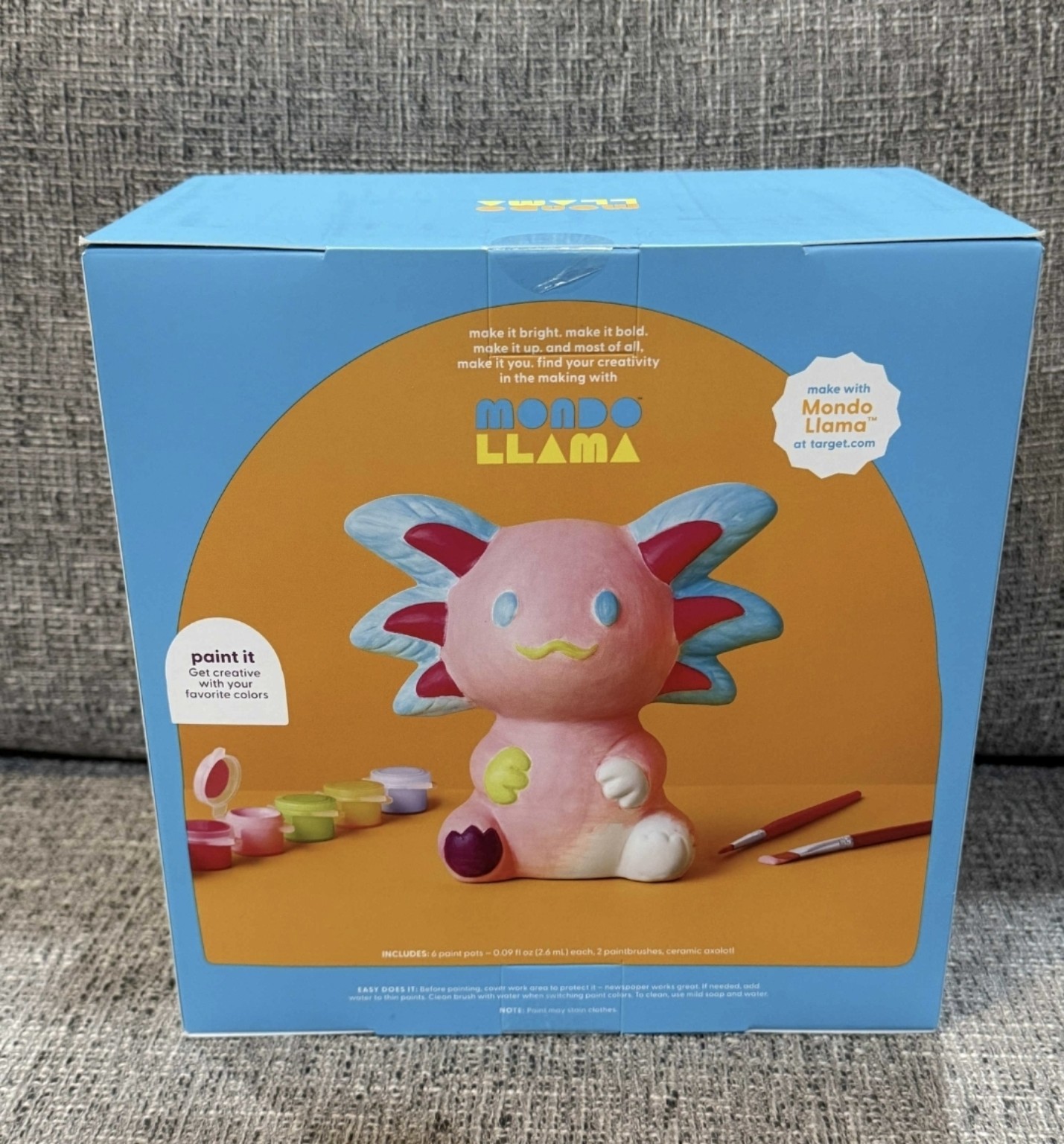
Kohl's might be the perfect example of a retailer operating with a pricing strategy designed for a world that no longer exists. I walk in and see something priced at $79.99. But it's 30% off. Unless it's excluded. And I have a coupon. Unless that coupon doesn't work on that brand. But maybe I have Kohl's Cash. Except that starts tomorrow. And there's another discount if I use the Kohl's card. And somehow after twelve minutes of advanced mathematics, the $79.99 item is $34.17. Maybe. Here's the problem: Customers have phones now. While standing in your store, I can see what the exact same item costs at Amazon, Walmart, Target, eBay, the manufacturer's website, and probably seventeen places I've never heard of. The old department-store trick of putting a giant retail price on something and then constantly “discounting” it doesn't hit the same when customers can check the real market price in ten seconds. The modern consumer has more pricing information than at any point in history. Retailers have to stop pretending otherwise. A simpler proposition would probably work better: Here's the product. Here's a fair price. Would you like to buy it? Revolutionary.
Somehow Costco Figured It Out
Here's what makes this especially interesting: People clearly do not hate physical stores. Look at Costco. Look at Sam's Club. People voluntarily go there when they could order plenty of the same products online. Why? Because those stores still give people reasons to show up. There is discovery. You don't know exactly what will be there. There are seasonal products. There are samples. There's food. Checkout usually moves. The pricing generally makes sense. There is a feeling that you might stumble onto something interesting. Costco somehow figured out that a store can still be an experience without installing a Ferris wheel in the produce department. Sometimes all it takes is giving customers value and not annoying them. And then, of course, there is the $1.50 hot dog and soda. Costco has spent decades refusing to move that price. The rotisserie chicken is still $4.99. Those things aren't just cheap food. They're signals. They tell customers: There's still value here. You may walk in intending to buy paper towels and leave with patio furniture, six pounds of cheese and a kayak you didn't know you needed. But you enjoyed yourself. That's the difference.
The Store Still Has Advantages
Physical retail isn't doomed. It actually has several advantages the internet can never fully replicate. You can touch something. Try it on. Smell it. See the actual color. Compare two products side by side. Take something home immediately. Talk to another human being who knows the product. And there is still something enjoyable about wandering into a store and finding something you weren't looking for. Discovery is powerful. But retailers can't rely on those advantages while simultaneously making the rest of the experience miserable. You can't lock up the merchandise, eliminate the employees, create a 14-step checkout process, bombard customers with credit-card pitches, play games with pricing, and then blame Amazon when traffic drops. At some point, the store itself became the problem.
People Don't Hate Stores. They Hate Bad Stores.
I don't think the in-store shopping experience has to die. I think bad in-store shopping experiences should. People will still leave the house for value. They'll leave for convenience. They'll leave for discovery. They'll leave for good service. They'll even leave because wandering around a store for an hour can be fun. But retailers have to give them a reason. The future of physical retail probably isn't about trying to beat the internet at being the internet. It's about remembering what a store can do that a website can't. Make it easy. Make it interesting. Make the pricing make sense. Have enough employees. Let customers buy things without applying for a line of credit. And, if all else fails, apparently a $1.50 hot dog doesn't hurt.
Where I Still Go Looking for the Deal
That hunt for overlooked value is also why I built Cheap Cheap Closeout: the online side of the same clearance-table thrill, without pretending a fake original price makes the deal better.
Two current examples from my store: eight Room Essentials throws for $39.99 shipped, or the O HUI three-piece skincare bundle for $99.99 with standard U.S. shipping included. Buy what you will actually use, gift or sell; a low price alone is not a reason to stock up. Check the listings for current pricing and availability.
And when I want the opposite of another aisle—a real place with history, personality and an experience worth leaving home for—that’s The Katie Lee.